


A credit score can drop as low as 300 points or go all the way up to 850. But what exactly is a good credit score? According to FICO, the "good range" spans between 670 and 739; and with the average American's score at 705, there's a strong chance your own number could fall within that category.
Here's what to know about the various credit score ranges, why you should care, and how to boost your score.
What are the different credit score ranges?
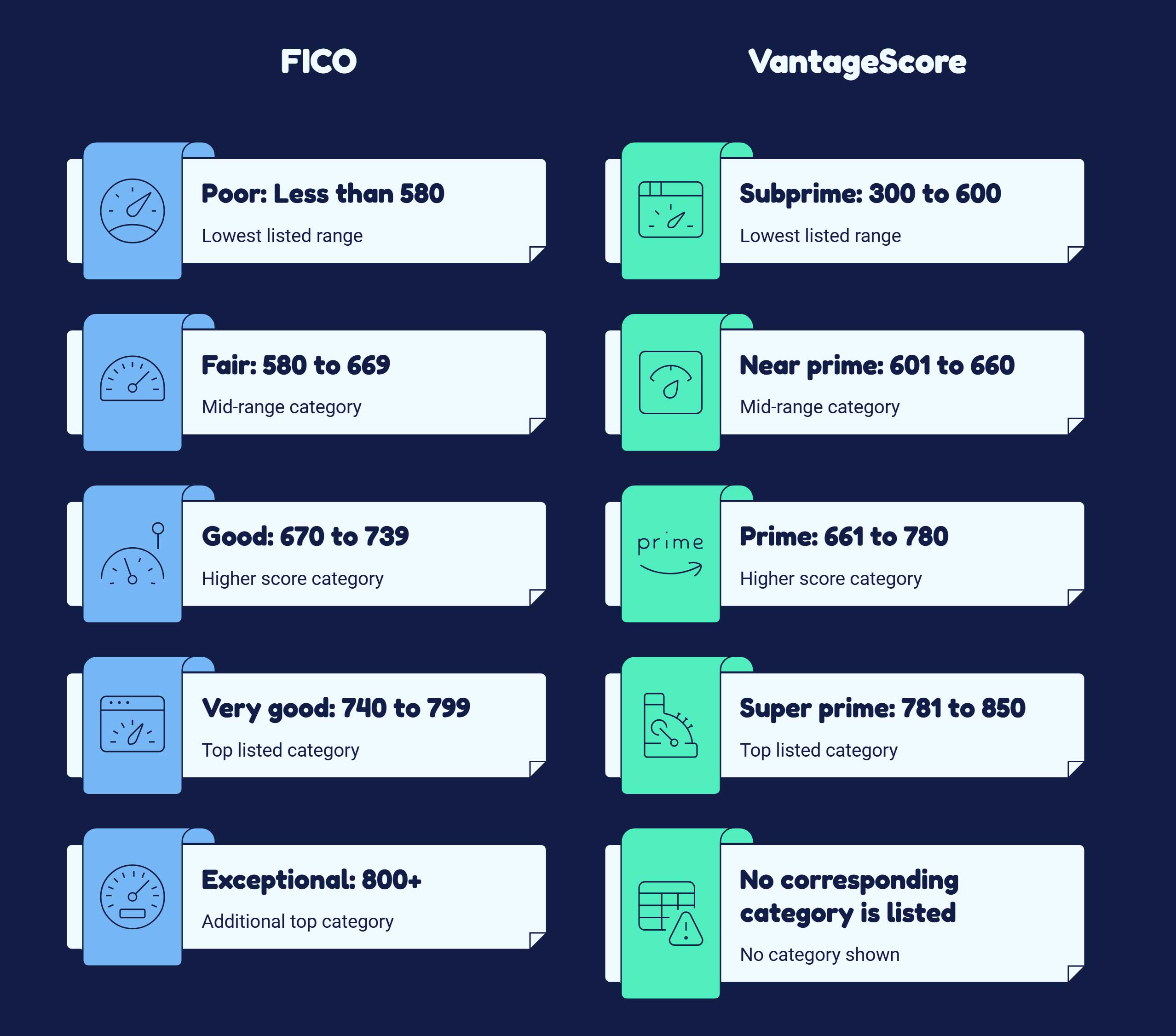
Credit scoring models use a wide scale between 300 and 850 to determine someone's creditworthiness. Each one has its own definitions of what specific scores mean. Here are the credit ranges for the two largest credit score companies, FICO and VantageScore.
Credit Score Ranges
Curious what your own score falls? Openland Credit Union members get free access to credit monitoring so you can stay up to date.
Why is having a good credit score important?
When you understand your credit, you start to realize what a huge impact it has on your life. Lenders and credit card companies use your credit score to determine whether or not to approve your application, what kind of APR to charge, and how much to let you borrow.
On top of that, landlords, insurance companies, utility companies, and some employers may also check your credit history. Ultimately, having a good credit score can help you save money on loans, credit cards, and even insurance premiums. It could even help you qualify for a job, especially if you work in the financial services industry.
What factors impact your credit score?
Credit scores are based on the information in your credit report. The five categories used to evaluate your history include:
- Payment history
- Amounts owed
- Length of credit history
- New credit
- Credit mix
How can you improve your credit score?
There are several steps you can take to raise your credit score, including:
- Check your credit report for accuracy and dispute any errors
- Pay all of your debt bills on time
- Pay off high balances to keep your credit utilization under 50%
- Avoid applying for too much new credit, especially in a short period of time
It takes time for your credit score to improve, so keep monitoring your progress to stay motivated.
What credit score should you aim for?
Shooting for a credit score in the mid-700s or higher can help you qualify for the lowest financing rates when you're ready to borrow funds. No matter what your goal may be, the habits that create a strong credit score, like keeping low balances and paying your bills on time, will set you up for success.
Ready to see what kind of rates you qualify for? Explore loans with Openland Credit Union today!
Frequently Asked Questions
1. What is considered a good credit score?
A good FICO credit score ranges from 670 to 739 on a scale of 300 to 850. A higher score may help you qualify for loans and credit cards with more favorable interest rates and terms.
2. Why is having a good credit score important?
A good credit score can help you qualify for loans, credit cards, and lower interest rates. Lenders use credit scores to assess your creditworthiness when reviewing applications.
3. What factors affect my credit score?
Your credit score is influenced by payment history, amounts owed, length of credit history, new credit, and credit mix. Paying bills on time and keeping credit card balances low can help you build a stronger score.
4. How can I improve my credit score?
You can work toward improving your credit score by paying bills on time, reducing credit card balances, checking your credit reports for errors, and avoiding unnecessary credit applications. Consistent financial habits can help improve your score over time.
5. What credit score should I aim for to get a loan?
A FICO score in the mid-700s or higher may help you qualify for competitive loan rates, but approval and rates also depend on factors such as income, existing debt, and the type of loan.